

February 18, 2026
Night Vision for Beginners — What You Need to Know Before Your First Purchase
Beginners, Stop Getting Scammed — Night Vision Guide
After nine years as a night vision technician in Arizona, the same problem shows up every day — someone spends $200 on Amazon for a “night vision device,” then complains “this thing doesn’t work at all.” No shit! What good stuff can you get for $200?
Here’s the truth.
Digital, Analog, Thermal — Three Completely Different Things
A lot of beginners can’t tell the difference between these three types of devices. Here’s the breakdown:
- Analog night vision (Gen 2/Gen 3) — uses vacuum tubes to amplify light, best resolution. Gen 1 amplification is only 1,000x, basically a toy. Gen 3 can reach 30,000-50,000x (nightflightconcepts.com)
- Digital night vision — like SiOnyx Aurora Pro, about $999, standard version $599 (sionyx.com). Works okay in low light, but weak in total darkness
- Thermal imaging — sees heat, not detail. Can see something’s there, but can’t see what it is
Price ranges? Digital $600 to $1,500. Analog Gen 2/3 from $2,500 to $10,000 and up. Thermal $1,000 to $15,000 and up. What do you expect to get for $200?
Battery Issue
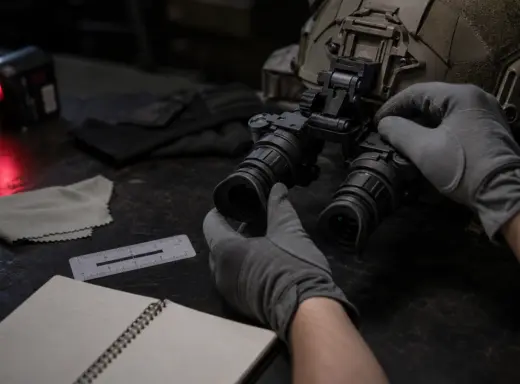
This is what beginners often overlook. Digital night vision like Aurora Pro? Battery only lasts about 2 hours. But real vacuum tube devices? Can run 40 to 50+ hours on a single AA battery! Why? Because analog devices don’t use processors to compute images, just purely amplifying light.
What Should Beginners Buy?
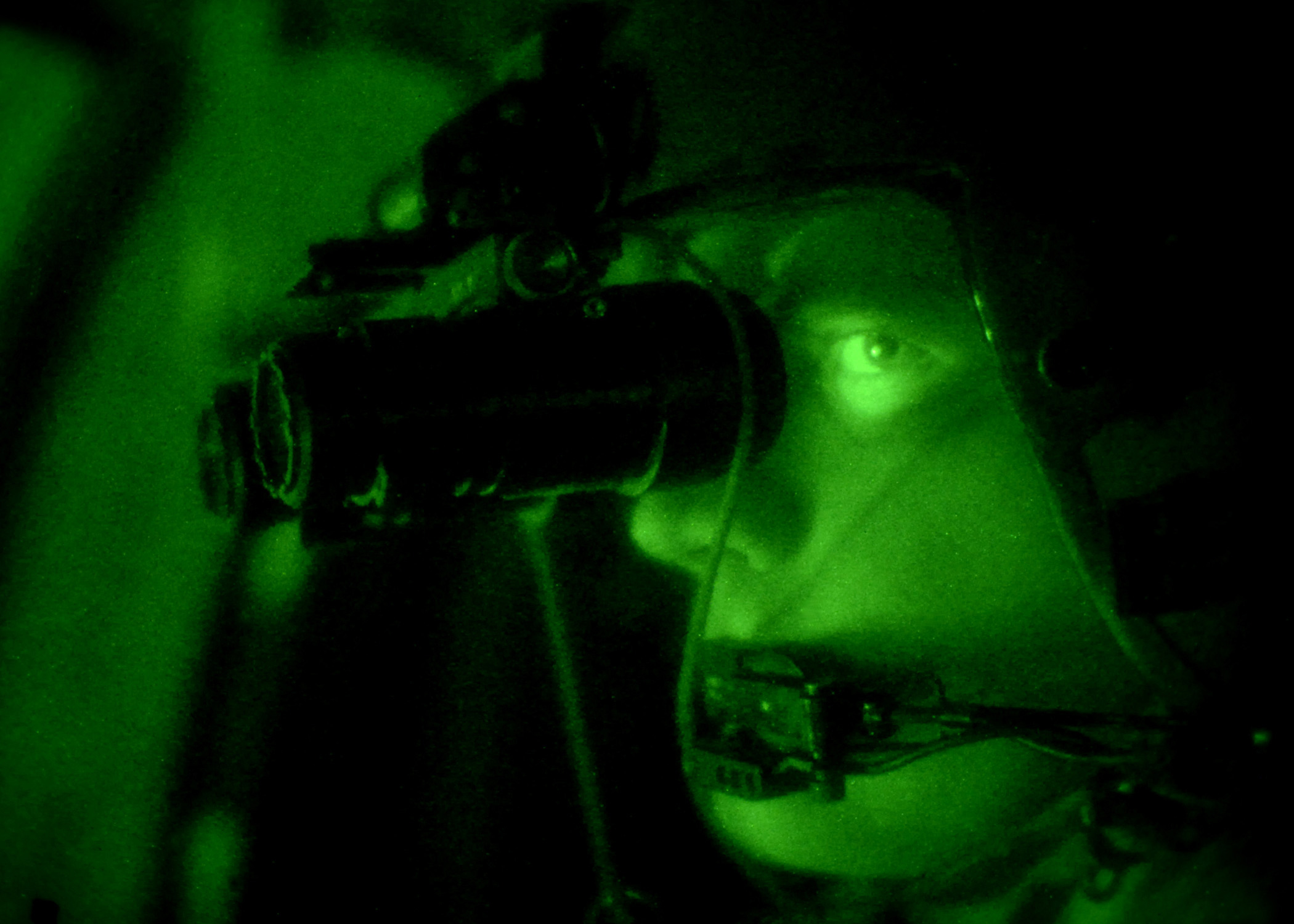
If your budget’s limited, SiOnyx Aurora standard at $599 is a starting point. Can record video, can shoot color night scenes. But don’t expect it to compare with real Gen 3.
If you’re serious about using it, AGM PVS-14 NL1 Gen 2+, $2,995 (nightvisionuniverse.com). This is real military-grade housing, Photonis tube.
Gen 3? Starts at $3,500. L3Harris warranty 10 years, Elbit warranty 5 years.
Stupid Mistakes Beginners Make — And They Happen Every Day
Seriously, these mistakes are frustrating.
1. Looking at Bright Lights
“Never, ever turn on your device in daylight, or in the presence of bright light sources” (agmglobalvision.com). This can instantly burn the tube! Someone on Reddit put it well:
“DO NOT look at the sun. Try to avoid looking directly in bright light. If you can, look into making a bikini cap with a .22 hole on the lens cap” (r/NightVision)
Bikini cap? That’s drilling a small hole in the lens cap, letting a little light in, so you can use it at dusk without burning the tube.
2. Not Putting Lens Caps On
Lens exposed out there? Dust, scratches, light damage. Too many devices ruined this way (nightflightconcepts.com).
3. Not Removing Batteries During Storage
Old batteries leak acid, corrode the battery compartment. Of repaired devices, at least one-third show damage from battery leakage (nightflightconcepts.com, steeleindustries.com).
4. Storing in Hot Car Trunks
Storage temperature should be between 32°F and 100°F. Summer car trunk can reach 150°F! Heat and moisture will destroy sensitive components (nightflightconcepts.com). Use silica-gel packets, store in dark places.
5. Not Removing Batteries in High Humidity
Moisture can cause malfunction. Living in Florida or Texas coast? Pay special attention to this (steeleindustries.com).
Mounting System — Don’t Cheap Out on This
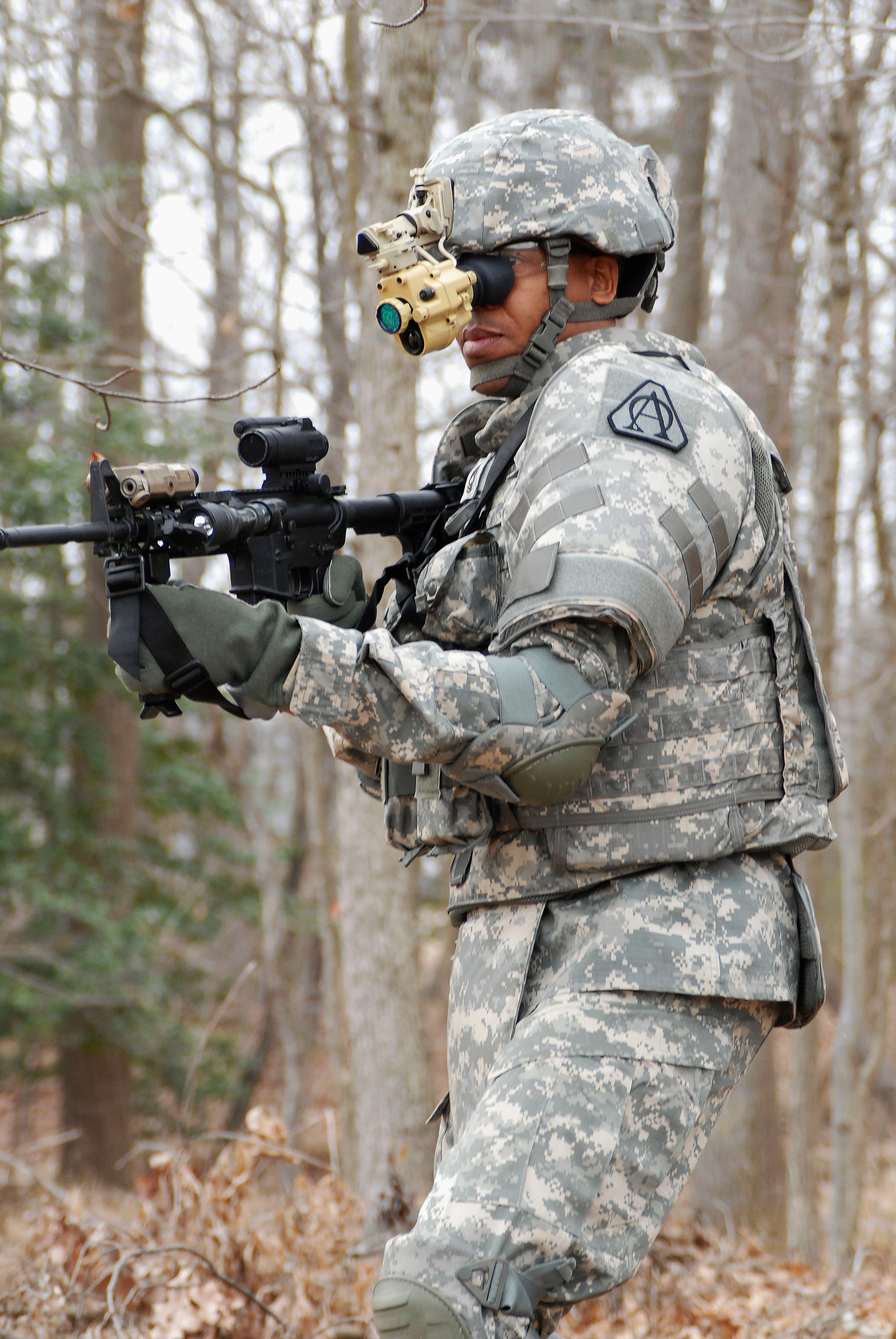
A lot of beginners buy night vision but forget to buy mounting brackets. Gonna hold it with your hands the whole time?
Wilcox G24 Mount, starts at $499, industry standard (tnvc.com). 5-year warranty, has breakaway feature. Yes, it’s expensive. But you spent $3,000 on the device, you gonna use a $50 knockoff mount?
For helmets, Team Wendy EXFIL LTP is a popular civilian choice (bump helmet). Ops-Core FAST is the premium option.
Legal Issues — About 40% of States Ban Night Vision Hunting
A lot of people don’t know this (cosmictactical.com).
- Texas, Utah — completely legal, no restrictions
- California — can own it, but can’t use with firearm for hunting. Yes, you can buy it, but can’t use it to hunt
- Pennsylvania, Rhode Island — full ban. Not just hunting, even possessing night vision while carrying a gun is not allowed
Before you buy, figure out your state’s laws first!
Maintenance — Making Your Device Live Longer
Aviation night vision goggles? FAA requires inspection every 180 days. Civilian use? Professional service once a year is recommended.
When cleaning, blow off dust first, don’t wipe directly — will scratch the lens. Use specialized microfiber cloth. Never try to repair internals yourself — there’s precision components inside, might also have toxic materials.
A Few Last Words
Night vision equipment is a serious tool, not a toy. Want cheap entry? SiOnyx Aurora $599 can let you experience it. Want to use it seriously? Prepare at least $2,500 to $3,000 for Gen 2+.
Don’t buy $200 garbage on Amazon, then blame night vision for not working. That’s not night vision’s problem — it’s that you bought garbage. Once you’re ready to use your device, check the night vision hunting laws by state to make sure you’re legal before heading out. And if you want to understand exactly how this technology works under the hood, our night vision technology guide covers it from photons to phosphor screens.
After nine years in the business, that’s the bottom line.
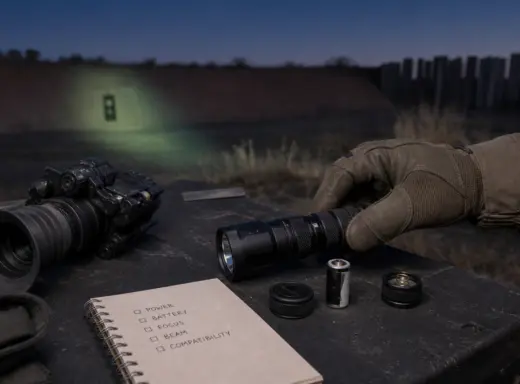
IR Illuminator Not Working With Night Vision? Beam, Battery, Focus and Compatibility Check.
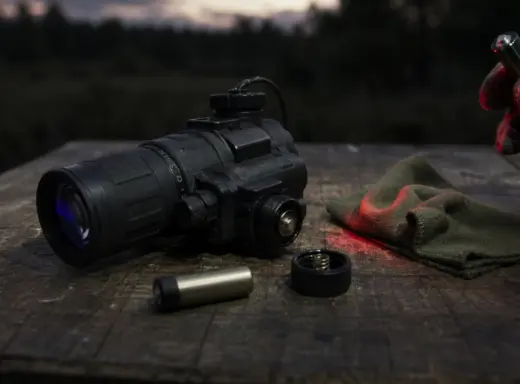
Is your NV not turning on? Battery, Contacts, Mount and Tube-Safe Troubleshooting
Night Vision Collimation and Alignment: Fix Double Vision, Eye Strain and Dual-Tube Setup Issues